“Unlock Strength, Revitalize Your Body and Mobility: Proven Workouts to Reverse Muscle Loss”
Revitalise Your Body. Maintaining muscle strength is crucial as we age to preserve our vitality and freedom of movement. Recent research from 2024 has shed new light on how to combat muscle weakness, also known as sarcopenia. Derived from the Greek term meaning “loss of flesh,” sarcopenia was recognised as a medical condition in 2019 due to its association with disability, frailty, and falls among older adults.
 Sarcopenia is the gradual loss of muscle mass, strength, and function due to ageing. It affects gait, balance, and the overall ability to perform daily tasks, significantly impacting quality of life.
Exciting new studies reveal that sarcopenia is preventable and reversible through targeted exercises, offering hope for maintaining our independence and improving our quality of life as we age.
One study highlighted that older adults could reverse muscle loss in 12 weeks with the right exercises. But it’s essential to note that not all exercises are created equal; incorrect execution or approach can lead to wasted effort or even serious injury. In this blog post, we will explore the five best exercises to reverse muscle loss, along with the gold-standard approach recommended by scientists to maximise benefits, regardless of age.
Imagine a life where you wake up daily feeling strong, vibrant, and ready to embrace every moment. While it’s natural for our bodies to face challenges as we age, it doesn’t have to be this way. You deserve to enjoy your golden years with vitality and freedom of movement.
At Active Balance, we’ve dedicated over 50 years to refining techniques that alleviate pain and restore and enhance overall health. Our unique approach treats the entire body, ensuring lasting benefits beyond temporary relief.

Join us to rediscover your strength and improve your quality of life. Visit our website to explore how our proven methods can help you achieve a healthier, more balanced you. Purchase our empowering e-book today and take the first step towards a more fulfilling future. Then, If You Still Want To Carry On With These Exercises.
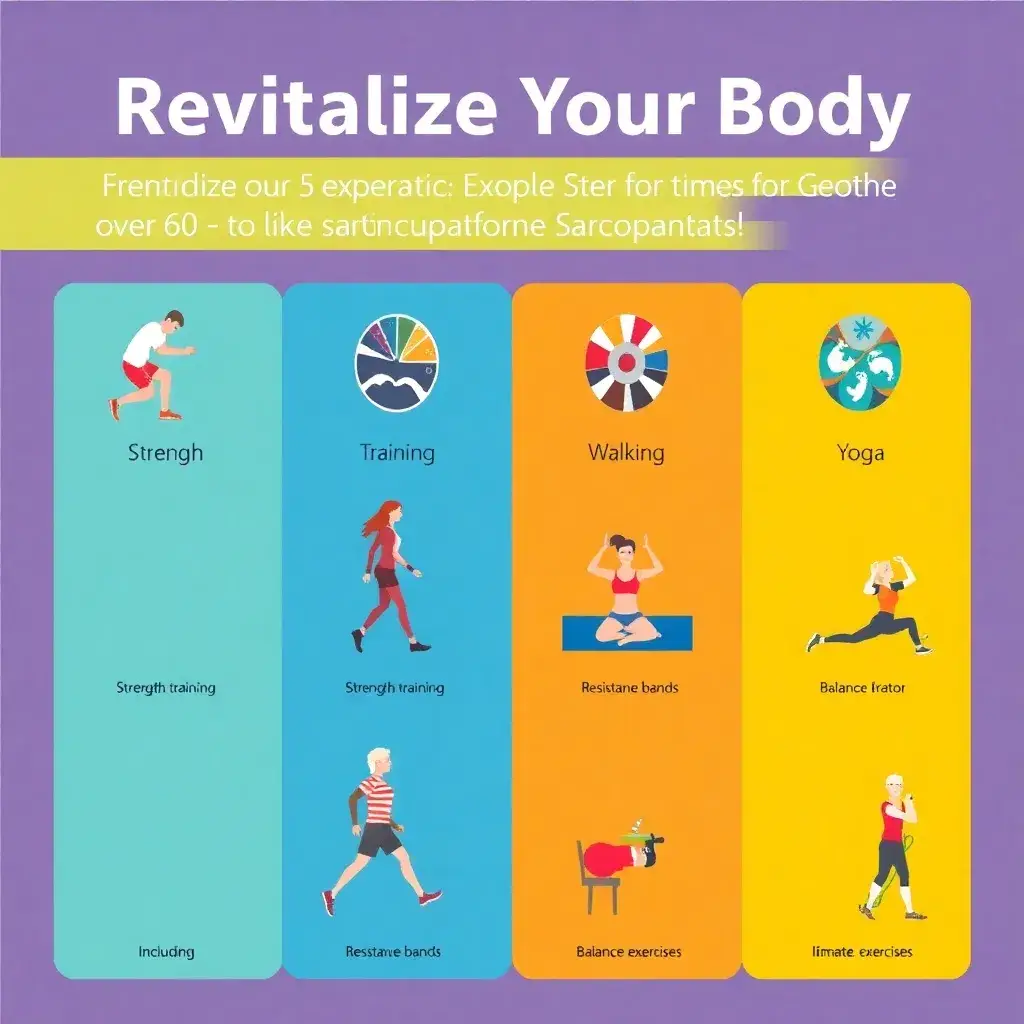
Revitalize Your Body Exercise 1: Push-Ups
Push-ups, a classic and accessible exercise, are among the most effective ways to strengthen the upper body and improve daily functioning, especially for older adults. This movement, which works the pectorals, shoulders, and triceps while also engaging the core, is crucial for trunk stability. It translates into greater strength for activities such as pushing, lifting, and even playing with grandchildren, reducing the risk of falls.
The modified push-up is an excellent alternative for beginners or those with limited mobility. If you find the traditional push-ups too challenging, you can start with wall or knee push-ups. These variations are equally effective and can help you build strength gradually. Place your hands on the floor slightly wider than shoulder width apart, with your knees resting on the floor. Keep your body aligned in a straight line from head to knees, and gently bend your elbows to lower your body without letting your chest touch the ground. Aim for two sets of 8 to 10 repetitions.
If this variation is challenging, try wall push-ups. Stand facing the wall with feet about 12 inches apart, and place your hands on the wall slightly wider than shoulder-width apart. Lean toward the wall by bending your elbows, then push yourself back. This gentle approach effectively begins strengthening the upper body.
The full push-up is an excellent progression for those with more strength and mobility. Keep feet on the floor and body aligned from heels to head, engaging the core throughout the movement to protect the spine and maximize benefits. Consistency is key to building strength and improving muscular endurance.
Beyond muscle strengthening, push-ups improve posture, stabilize joints, and increase functional capacity, making tasks like pushing a shopping cart or getting up from a chair easier. Best of all, no special equipment is needed—just a comfortable space and the motivation to begin.
Revitalize Your Body Exercise 2: Squats
Squats are highly recommended for older adults, as they strengthen the major leg muscles: the glutes, quadriceps, and hamstrings. These muscles are essential for walking, climbing stairs, and getting up from a chair. This combination of benefits makes everyday tasks like picking something up off the floor or carrying objects more manageable and safer.
Squats are adaptable to any fitness level. For beginners, a chair can serve as support. Stand in front of the chair with feet shoulder-width apart. Bend your hips and knees as if to sit down, keeping your back straight and gazing forward. Once you lightly touch the chair, stand back up in a controlled manner. This reduces joint impact and builds strength safely.
For more confidence, try the traditional squat. Stand with feet aligned, shoulders extended forward, and arms extended over your chest. Bend knees and hips simultaneously, keeping your back straight, and lower yourself comfortably. Start with two sets of 10 repetitions, gradually increasing as strength improves.
If the goal is to increase difficulty, incorporate a light dumbbell or water bottle as a weight. Hold it close to your chest, or let it hang with arms extended during the movement. This adds an extra challenge and further strengthens the core and arms.
Squats improve bone density, reduce the risk of osteoporosis, and increase blood circulation, thereby contributing to cardiovascular health. Additionally, they work efficiently on balance. Respect your body’s limits and seek guidance from a professional if necessary.
The Gold Standard Approach
Before starting any new exercise routine, it’s essential to consult a professional, especially if you have any existing health conditions or concerns. Within the study, the gold standard for maximizing exercise benefits was consistency. Among participants monitored for a year, 65% stopped shortly after beginning physical activity, while the remainder maintained continuity, avoiding excessive weight or repetitions and showing up daily. The results were remarkable. Among the 35% who adhered, many overcame muscle weakness, even engaging in activities like hiking or sports they hadn’t done since youth. Be patient and consistent, and never underestimate the power of small daily actions.
Revitalize Your Body Exercise 3: Crunches
Crunches are simple yet effective exercises that strengthen the core, including abdominal and trunk muscles. A strong core maintains stability, improves posture, and reduces back pain.
Beginners can start with a modified version. Lie on your back on the floor or a firm surface with knees bent and feet flat. Place hands gently on the thighs or cross them over the chest. Engage core muscles by pulling the belly button toward the floor to alleviate potential lower back discomfort. Inhale deeply, and as you exhale, lift your shoulders off the ground using your abdominal muscles. Start with two sets of 10 to 15 repetitions, respecting your body’s limits.
A simple adjustment can provide support without applying pressure if neck discomfort arises during crunches. If a full crunch is too challenging, a partial crunch by lifting only your head and shoulders slightly off the ground can be a safer option. Remember, quality matters more than quantity; slow, controlled movements deliver better results and prevent injuries.
Crunches strengthen abdominal muscles, improve spinal health, enhance mobility, and contribute to a more active, independent lifestyle.
Revitalize Your Body Exercise 4: Glute Bridge
The glute bridge is an excellent exercise for mobility. It focuses on strengthening the glutes, core, and lower back while improving overall stability. It indicates mobility levels; performing 10 to 20 repetitions suggests no difficulty with daily activities such as getting out of bed or climbing stairs.
To perform the glute bridge, lie on a firm surface and bend your knees flat and hip-width apart. Engage your core by pulling your belly button inward. Inhale deeply, and as you exhale, press your heels into the ground, lifting your hips toward the ceiling. Squeeze the glutes at the top, ensuring effort comes from the glutes, not the lower back. Hold for 1 to 2 seconds, then slowly lower your hips while inhaling.
For beginners, a simpler version involves slightly lifting hips about 1 to 2 inches off the ground, gradually progressing as strength improves. Try the single-leg glute bridge for a more significant challenge, intensifying glute engagement and requiring more balance.
Beyond muscle strengthening, the glute bridge improves blood circulation in pelvic and lower back regions, alleviates back pain, and increases hip flexibility. It enhances trunk stability, which is crucial for daily activities requiring balance.
Revitalize Your Body Exercise 5: Cardiovascular Activity
Cardiovascular activities like dancing, swimming, running, or walking are vital for physical and mental health, especially after 60. These movements keep the heart strong, circulation active, and lungs healthy. They provide energy for daily tasks and reduce the risk of cardiovascular disease, diabetes, hypertension, and certain cancers.
Cardio exercise improves physical endurance, making everyday tasks easier and more enjoyable. It boosts mood, reduces stress, and promotes restful sleep. In the long term, it preserves bone density, lowers osteoporosis risk, and keeps joints flexible, essential for avoiding pain and injuries.
If walking outdoors suits you, explore a park or stroll around your neighbourhood. Light walks are low-impact, easy to fit into daily routines, and provide essential sun exposure for vitamin D. For a dynamic option, dancing is fun and social, improving coordination and balance.
Enhancing Balance with Jumping
Those looking to improve balance should try jumping on a single trampoline. This low-impact cardiovascular exercise strengthens the legs, engages the core, and stimulates balance systems like proprioception and the vestibular system.
No matter the Revitalize Your Body activity, incorporating 30 minutes of cardiovascular exercise at least five times a week can transform health and quality of life.
Revitalize Your Body Frequently Asked Questions (FAQ)
What is sarcopenia?
Sarcopenia is the loss of muscle mass and strength as we age, leading to increased frailty and risk of falls.
How can I prevent sarcopenia?
Regular exercise, especially strength training, can help prevent and reverse sarcopenia.
How often should I exercise?
Aim for at least 150 minutes of moderate aerobic activity each week and strength training exercises twice weekly.
Are these exercises safe for everyone?
Always consult with a healthcare provider before starting any new exercise program, especially if you have existing health concerns.`
Read More: Modern Ninja Mastery Martial Arts Legacy At The Heart of Active Balance.
#Activebalancebodymovements, #Activebalancebodywell-being, #Activebalancechiropracticcare, #Activebalanceexerciseroutine #Activebalancefitnessprogram #Activebalancefitnessprogram, #Activebalancehealthbenefits, #Activebalancenutritiontips #Activebalancephysiotherapyservices #Activebalanceposturecorrection #Activebalancewellnesscenter, #DennisBartramActivebalance,